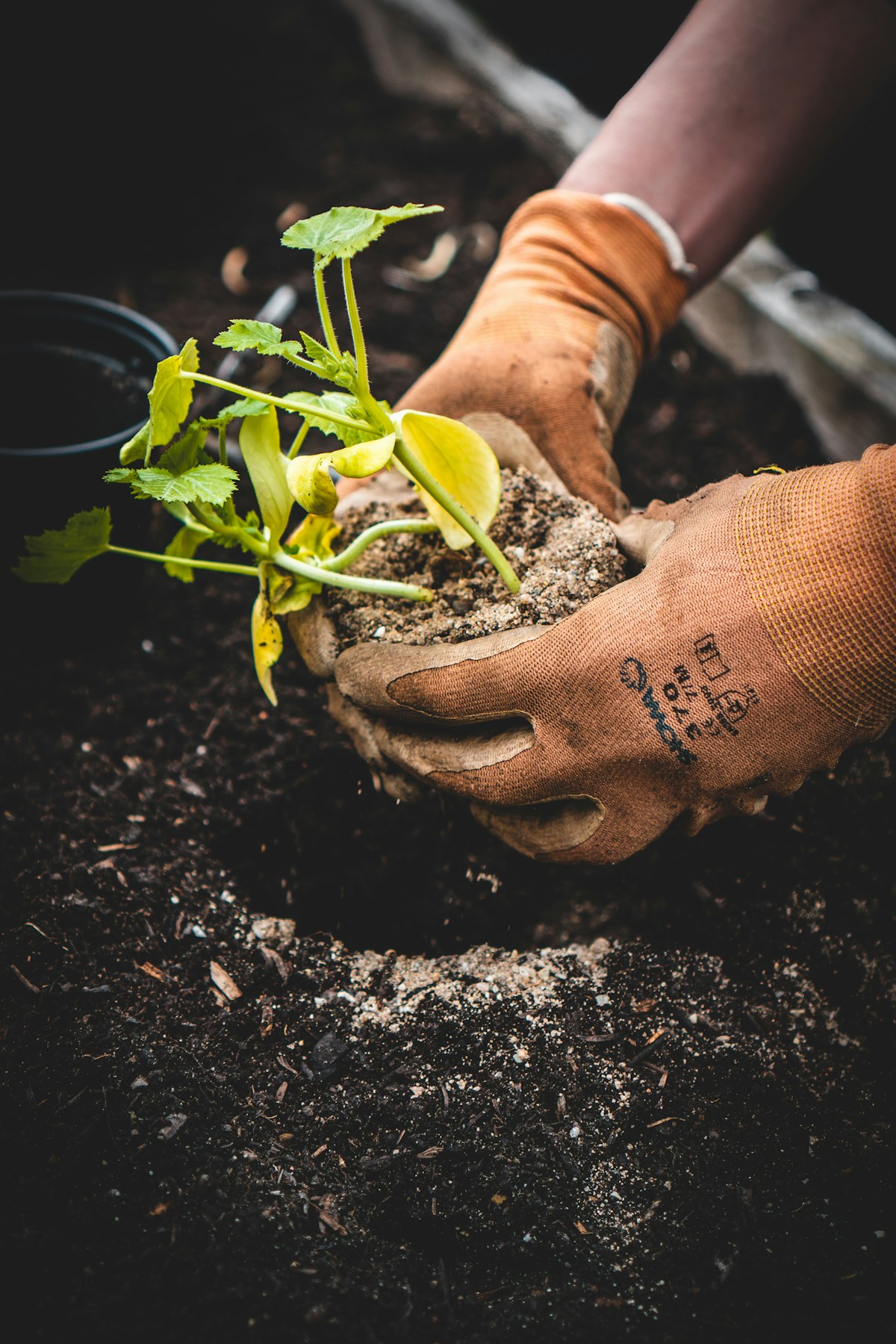
Choose a container as part of the growing plan. Its size should suit the plants you intend to grow, and an ordinary planter needs a way for excess water to escape. Check for drainage openings before filling it.
Use a potting mix selected for the plants and their location. Mixes differ in how much moisture they hold, so the label is worth reading. Roots need oxygen as well as water; a mix that stays excessively wet can leave too little air around them. Virginia Cooperative Extension advises that a gravel layer is unnecessary at the bottom of a container.
Before planting, set the empty pot in its intended position and consider how you will reach it for routine care. If you are combining plants, check that their light and water requirements are compatible. Finish the plan with a simple list: the plants, the container, the mix, and the location. These choices belong together, even when the planting is small.
Before choosing a perennial, spend some time with the place it will grow. Walk through the area in the morning, near midday, and later in the afternoon. Mark which parts receive direct sun and which are shaded. A quick sketch and a few photographs can turn an impression of “mostly sunny” into a useful planting record.
Keep the observations alongside notes about drainage and the space available for mature plants. The University of Maryland Extension recommends assessing direct summer sunlight, soil moisture, wildlife pressure, and room to grow before selecting perennials. Use those conditions to narrow the plant list before comparing flower colors.
At the nursery, read the requirements for the particular plant or variety. Bring your site notes so the conversation starts with the conditions you have. Leave room on the page for later observations, too. A garden notebook works best as a record you can revisit, with enough detail to explain why you chose a plant for that spot.
Before reaching for the watering can, check what is happening below the surface. For a container vegetable garden, feel the potting mix to judge whether it still holds moisture. A dry-looking surface alone does not describe the whole container.
If a pot is light enough to lift safely, learn how its weight changes between freshly watered and ready for water. Keep that comparison specific to the container; a different pot, plant, or mix will behave differently. Weather and the plant’s stage of growth also affect water use, so a fixed calendar cannot make the decision for you.
When watering is needed, apply water to the mix at the plant’s base and moisten the container thoroughly. Excess water should be able to leave through the drainage or overflow opening. Then add a short observation to your notebook: which container needed water, what the mix felt like, and what the weather was doing. Those small records make the next check more useful.